Unlicensed Casinos in Germany: Are They Worth the Risk? A Player's Guide to Casino Ohne Lizenz
The allure of online casinos is undeniable, offering instant entertainment and the thrill of potential winnings from the comfort of your home. However, in Germany, the regulatory environment for online gambling is intricate and often misunderstood, especially concerning platforms operating without a German license. What exactly does "casino ohne lizenz" mean for players, and what should you consider before engaging with such sites? This article aims to demystify the landscape, providing a comprehensive guide to the legal gray areas, inherent risks, and the persistent challenges facing regulators.
This guide will walk you through the essential aspects of unlicensed online casinos, empowering you to make informed decisions. We'll delve into the nuances of German gambling laws, explore the potential pitfalls for players, and discuss the broader implications for the industry.
What Defines an Unlicensed Casino in the German Context?
In Germany, the legal framework for online gambling has undergone significant evolution, culminating in the State Treaty on Gambling 2021 (GlüStV 2021). This treaty established a regulated market for various online gambling activities, including online slot machines, poker, and sports betting. A "casino ohne lizenz" refers to any online gambling platform that operates within Germany without possessing a valid license issued by the Joint Gambling Authority of the Federal States (GGL) or a specific state authority. These platforms, often based offshore, may hold licenses from other jurisdictions like Malta (MGA), Curacao, or Gibraltar. However, from a German regulatory standpoint, they are considered unlicensed if they do not adhere to the GlüStV 2021's strict requirements.
The lack of a German license implies that these casinos do not conform to specific player protection measures mandated by German law. These include strict deposit limits, mandatory breaks, limitations on concurrent gameplay, and robust self-exclusion mechanisms. Understanding this distinction is crucial for any player considering engaging with casino ohne lizenz www.50casino.de or similar platforms. The legal distinction between "licensed in Germany" and "licensed elsewhere" profoundly impacts player rights and protections. Many players might encounter these sites without fully grasping their legal standing within Germany.

Photo by Pavel Danilyuk on Pexels
Why Do Players Seek Out Unlicensed Platforms?
Despite the regulatory push for licensed gambling, a segment of the German player base continues to gravitate towards unlicensed online casinos. Several factors contribute to this preference. Primarily, licensed German casinos operate under stringent rules that may limit the player experience, such as a €1,000 monthly deposit limit across all licensed providers, minimum €1 stakes for slots, and a mandatory 5-second waiting period between spins. These restrictions, while designed for player protection, can be perceived as overly restrictive by some users who prefer more flexibility and higher stakes. Unlicensed casinos often offer a wider array of games, higher betting limits, and more generous bonuses, as they are not bound by the same regulatory constraints.
Furthermore, the implementation of the GlüStV 2021 has been a gradual process, leading to a sometimes confusing landscape where players are unsure which sites are officially sanctioned. Some players may also seek out unlicensed platforms to circumvent self-exclusion programs applicable across the German licensed market. The perceived anonymity and fewer bureaucratic hurdles associated with offshore casinos also attract certain individuals. Exploring options like a casino ohne lizenz www.50casino.de often stems from a desire for greater freedom in gaming choices and potentially higher rewards, albeit with inherent risks.
What Are the Risks Associated with Playing at Unlicensed Casinos?
Engaging with a casino ohne lizenz carries significant risks that players must be fully aware of. The most critical concern revolves around player protection and recourse. Since these platforms operate outside German jurisdiction, players have limited to no legal protection under German law if disputes arise, such as issues with withdrawals, unfair game outcomes, or account closures. Unlike licensed casinos, which are subject to rigorous audits and consumer protection agencies, unlicensed operators may not adhere to similar standards of fairness or security. This can leave players vulnerable to practices like rigged games, non-payouts, or the theft of personal and financial data.
Another substantial risk is the absence of robust responsible gambling measures. Licensed casinos are legally obligated to provide tools for self-exclusion, deposit limits, and reality checks, ensuring players can manage their gambling habits. Unlicensed sites, without such oversight, may lack these crucial features, potentially leading to increased gambling harm. The financial security of funds deposited in unlicensed casinos is also a concern; there's no guarantee that player funds are segregated from operational funds or protected in case of insolvency, a stark contrast to the stringent requirements imposed on licensed operators to safeguard player money. Therefore, when considering a casino ohne lizenz www.50casino.de, it's vital to weigh these potential dangers carefully.
How Does German Regulation Address Unlicensed Gambling?
Germany's approach to unlicensed gambling is multi-faceted, focusing on both enforcement and prevention. The GlüStV 2021 explicitly prohibits offering and advertising online gambling without a German license. The primary regulatory body, the GGL (Gemeinsame Glücksspielbehörde der Länder), is tasked with monitoring the market, identifying unlicensed operators, and taking enforcement actions. These actions can include IP blocking, payment blocking, and administrative fines against operators. The GGL actively collaborates with internet service providers and financial institutions to disrupt the operations of black-market platforms.
However, enforcing these regulations effectively against globally operating entities presents significant challenges. Many offshore casinos deliberately target German players, often using German language websites and marketing, despite not holding a German license. The digital nature of the internet makes it difficult to completely block access to these sites. Regulators are continuously working on improving their enforcement mechanisms, but a cat-and-mouse game often ensues. Education of players about the risks associated with unlicensed betting is also a key component of the German regulatory strategy. According to a report by the German Ministry of Finance/Bundesministerium der Finanzen, combating illegal gambling remains a priority to protect consumers and uphold tax revenues.
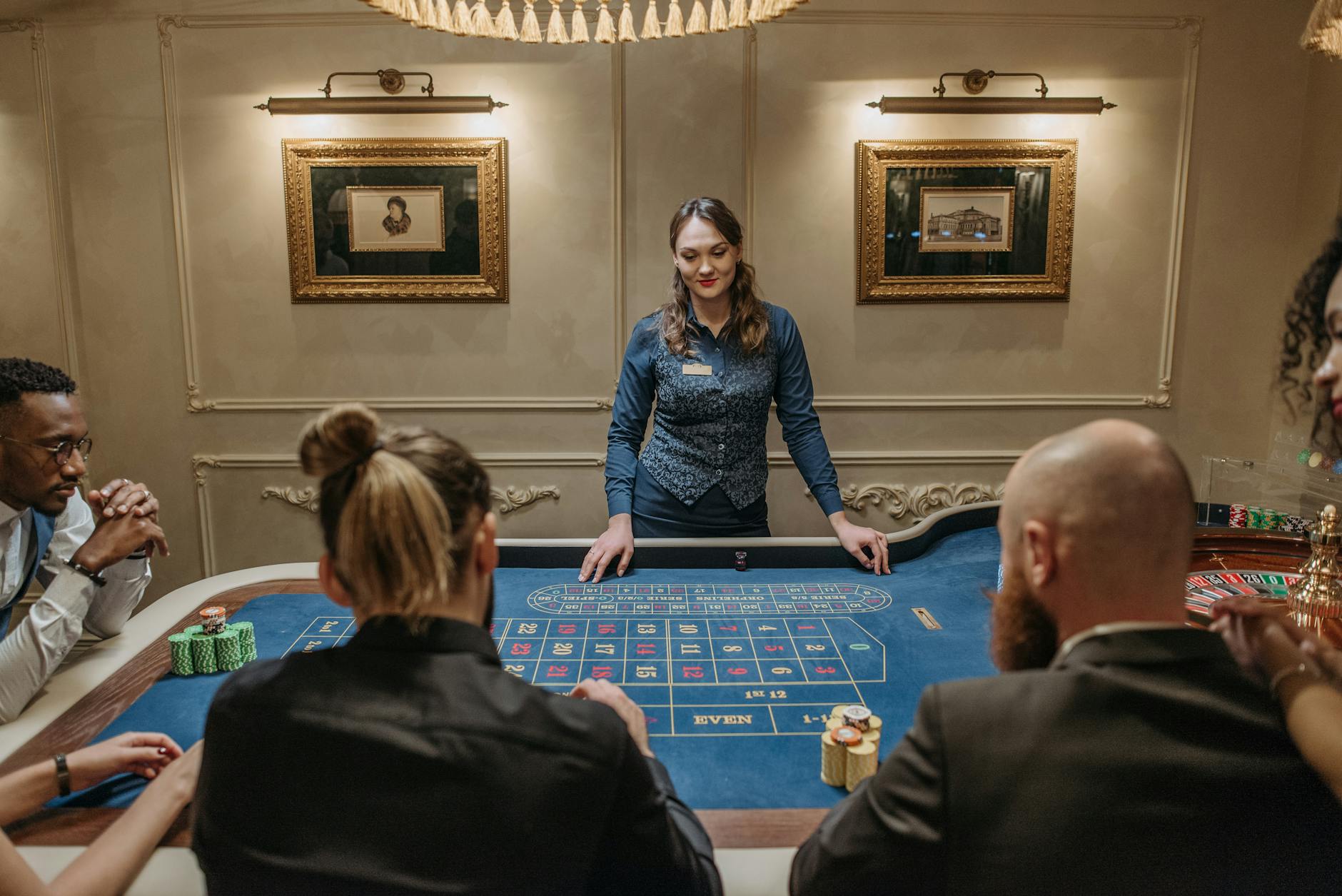
Photo by Pavel Danilyuk on Pexels
What Are the Legal Consequences for Players Using Unlicensed Casinos?
While the primary focus of German gambling regulation is on the operators of unlicensed casinos, players are not entirely exempt from potential legal repercussions. Although direct criminal prosecution of individual players for participating in unlicensed online gambling is rare, there can be indirect legal and financial consequences. For instance, if a player wins a significant sum at an unlicensed casino, the legality of those winnings could be challenged. In some cases, authorities might argue that winnings derived from illegal gambling are not legally enforceable, making it difficult for players to recover their funds if a dispute arises with the casino.
Furthermore, some financial institutions might flag transactions related to unlicensed gambling, potentially leading to account scrutiny or even closure. While the GlüStV 2021 primarily targets suppliers, the broader legal principle is that participation in prohibited gambling is generally illegal. Although direct penalties for players are uncommon compared to other jurisdictions, awareness of this legal gray area is important. Players should understand that engaging with a casino ohne lizenz www.50casino.de could place them outside the protective umbrella of German law, impacting their ability to seek justice or recover funds in case of a problem.
How Can Players Identify a Licensed Versus Unlicensed Casino?
Distinguishing between a licensed and an unlicensed online casino is crucial for player safety. The most straightforward method is to look for the official German gambling license seal. Licensed operators are legally required to display the GGL's seal or the license information prominently on their website, often in the footer. This seal typically includes a link to the official whitelist of licensed operators maintained by the GGL, where you can verify the license's authenticity. If you cannot find this seal or cannot verify the license on the official German whitelist, the casino is likely unlicensed in Germany.
Additionally, licensed German operators adhere to specific game features and limits that unlicensed sites typically do not: a maximum €1 stake for online slots, a 5-second spin break, and the mandatory OASIS nationwide self-exclusion system. The presence of these features indicates a licensed German platform. Conversely, if a casino offers higher stakes, faster gameplay, or a wide array of table games (which are currently not permitted for nationwide licensing), it's likely operating without a German license. Always check a casino's "About Us" or "Terms and Conditions" pages for licensing details and verification purposes before depositing funds into a casino ohne lizenz www.50casino.de or any other platform.

Photo by Pavel Danilyuk on Pexels
What Future Awaits the German Online Gambling Market?
The German online gambling market is still in a state of evolution. The GlüStV 2021 represents a significant step towards a more regulated environment, but challenges persist. Regulators are continuously working to refine the licensing process, enhance enforcement mechanisms against black-market operators, and adapt to technological advancements in the gambling sector. There is ongoing debate about the extent of player protection measures and whether the current restrictions are striking the right balance between consumer safety and market attractiveness. Some argue that overly strict regulations inadvertently push players towards the unlicensed market, creating a counterproductive outcome.
The long-term goal is to achieve a channelization rate where the vast majority of German players opt for licensed, regulated offerings. This requires a continuous effort from regulators to make the licensed market appealing enough to compete with offshore alternatives while upholding stringent player protection standards. Future developments may include adjustments to game offerings, stake limits, and a more harmonized European approach to online gambling. The landscape surrounding casino ohne lizenz www.50casino.de will undoubtedly continue to shift as the German government strives for a stable and safe gambling environment.
In conclusion, while the appeal of unlicensed casinos offering fewer restrictions and potentially larger bonuses might seem tempting, the risks associated with them are substantial. Player protection, legal recourse, and financial security are severely compromised when engaging with platforms outside German regulatory oversight. For any player in Germany, understanding the distinction between licensed and unlicensed operators is not just a matter of compliance, but of personal safety and financial prudence. Always prioritize platforms that adhere to the stringent requirements of German law to ensure a secure and fair gaming experience.
Common Questions
Q: What is the primary difference between a licensed and an unlicensed casino in Germany?
A: The primary difference is regulatory oversight; a licensed casino operates under the strict rules of the German State Treaty on Gambling 2021 (GlüStV 2021) and is supervised by the GGL, offering robust player protection, while an unlicensed casino does not and provides limited legal recourse. Licensed casinos display official German seals and adhere to strict deposit limits, game rules, and self-exclusion systems.
Q: Is it illegal for a German player to use a casino ohne lizenz?
A: While the German GlüStV 2021 primarily targets operators, participation in prohibited gambling is generally illegal; direct criminal prosecution for players is rare, but potential legal and financial challenges can arise, such as difficulty recovering winnings or financial institution scrutiny. Players using casino ohne lizenz www.50casino.de operate outside the protective scope of German consumer law.
Q: What are the main risks of playing at an unlicensed online casino?
A: The main risks include limited or no legal recourse in disputes, compromised player protection regarding fair games and data security, and the absence of responsible gambling tools, potentially leading to increased gambling harm. Player funds in unlicensed casinos may also lack protection in cases of insolvency.
Q: How can I verify if an online casino has a German license?
A: To verify a German license, look for the official GGL seal and license information prominently displayed on the casino's website, typically in the footer, and cross-reference it with the official whitelist of licensed operators maintained by the GGL. Licensed sites also feature specific German-mandated game limits and responsible gambling tools.
Q: Why do some German players still prefer unlicensed casinos despite the risks?
A: Some German players prefer unlicensed casinos due to fewer restrictions on betting limits and game types, a wider selection of games and bonus offers, and a desire to circumvent the stringent deposit limits and mandatory breaks imposed by German licensed platforms. They may also seek to avoid the OASIS self-exclusion system.
Q: How does Germany enforce its gambling regulations against unlicensed operators?
A: Germany enforces its gambling regulations through the GGL, which monitors the market and takes actions such as IP blocking, payment blocking, and administrative fines against unlicensed operators. The GGL collaborates with ISPs and financial institutions to disrupt black-market operations and relies on player education to deter engagement with casino ohne lizenz www.50casino.de.
Q: Are winnings from an unlicensed casino taxable in Germany?
A: The tax implications for winnings from unlicensed casinos in Germany are complex and can vary; generally, gambling winnings are tax-free if the operator holds a German license, but winnings from illegal (unlicensed) sources may be subject to different considerations, and players should seek professional advice. The legality of such winnings can also be challenged, making their recovery difficult.